
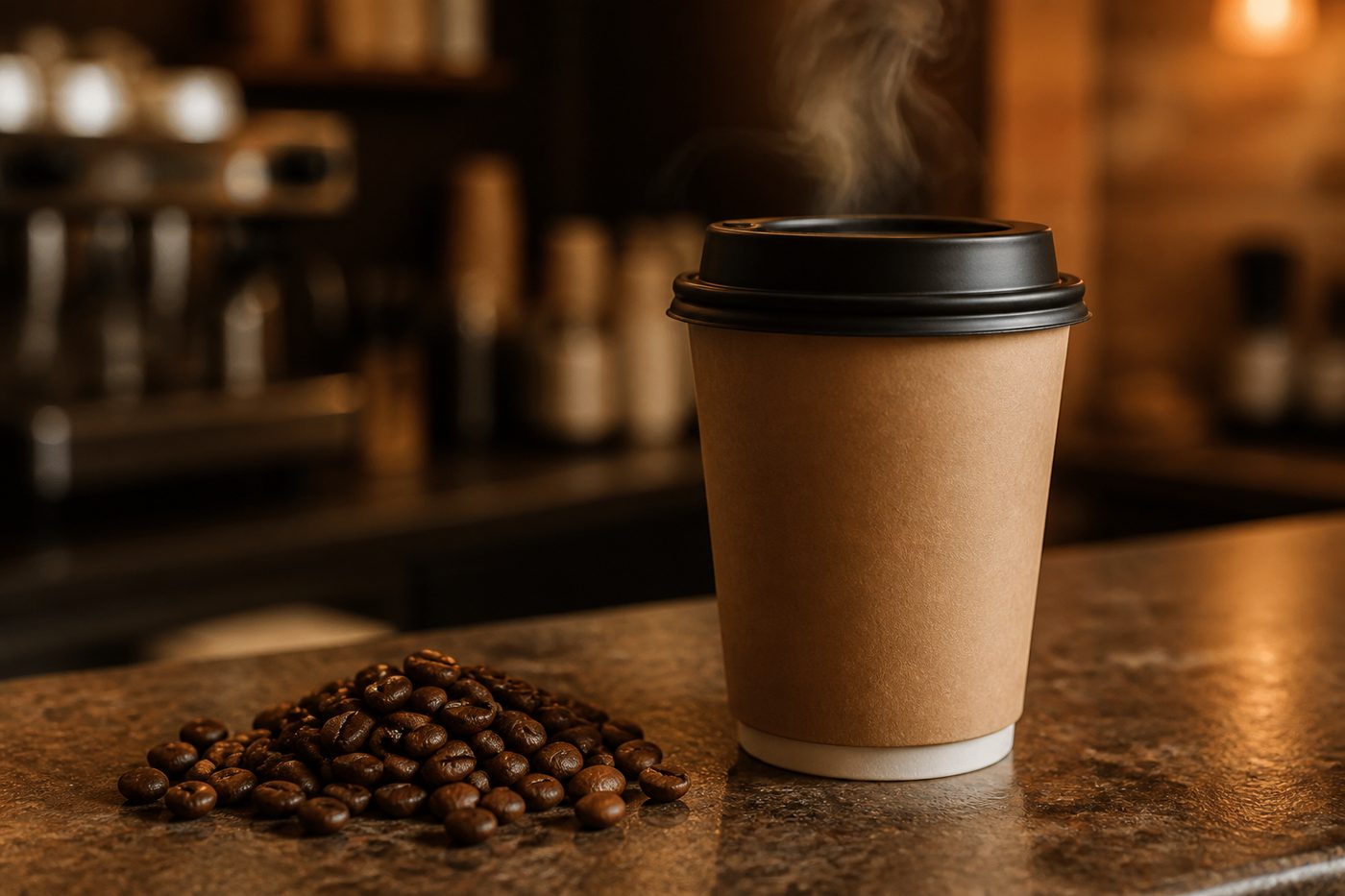
I don’t drink coffee the way adults do, in a paper cup that is somehow a personality. I still notice the board. The café near school has been sliding the prices up in small, polite jumps, as if a quieter number will hurt less. This week the news make the board make sense, which I did not enjoy.
On 29 October, Starbucks say it had grown comparable sales for the first time in about eighteen months. That sound like good news if you only read the first half of the sentence. The second half is less friendly. Their profit margins were squeezed by arabica bean prices and by tariffs. In America, visits to the stores actually fell. People still paid, when they paid, but fewer of them walked in. A 50% tariff on Brazilian coffee, in place since August, has priced out about a third of the beans America usually buy. The chief executive, Brian Niccol, say he did not expect broad menu increases in 2026, but the high bean costs would last at least two more quarters.
In Business we have been talking about costs of production, which is a dry phrase until you taste it. If the raw material get more expensive, the firm has a short list of choices. Raise the price of the latte. Accept a smaller profit and hope the brand is strong enough to keep people coming. Use cheaper beans and risk the drink tasting like a compromise. Starbucks is a brand that sell more than coffee. It sell the feeling that you are the kind of person who buy coffee there. Branding can hold a price up. It cannot invent beans that were taxed out of the market.
I keep picturing the tariff sitting in the bag before the bag sit in the shop. The customer never see Brazil on the receipt. They see a number next to a name they already trust, and they decide whether that name is still worth it. Some of them decide it is not, which is why visits fell even while sales finally grew. The people who stayed are spending enough to lift the total. The people who left are the ones who used to come in for something smaller and got tired of being charged as if it were a treat.
Supply is the other half of the same problem. If a third of the usual beans are suddenly too expensive to buy, the remaining beans do not become more plentiful. They become more fought over, and fought-over beans cost more. That cost travel. It do not always travel as a big, honest menu hike. Sometimes it just sit in the margin, while the logo stay green and calm, and the customer wonder why a familiar drink feel like a decision.
I asked for a hot chocolate after extra Maths on Thursday and watched the person in front of me hesitate. That pause is the whole lesson. The brand is still doing its job. The tariff and the bean price did their job first, in a warehouse the customer will never visit. Niccol can say he do not plan to lift the whole menu next year, and I believe he would rather not. I also believe two more quarters of expensive beans will show up somewhere, because costs have to land. They land on the company, or they land in the cup.
I used to think a café price was just a café price — a bit high, a bit proud, the cost of sitting down. Now I think some of it is a tax and a bean price that move before anyone write a new number on the board. The drink is still a drink. The story underneath it started earlier than the till.