
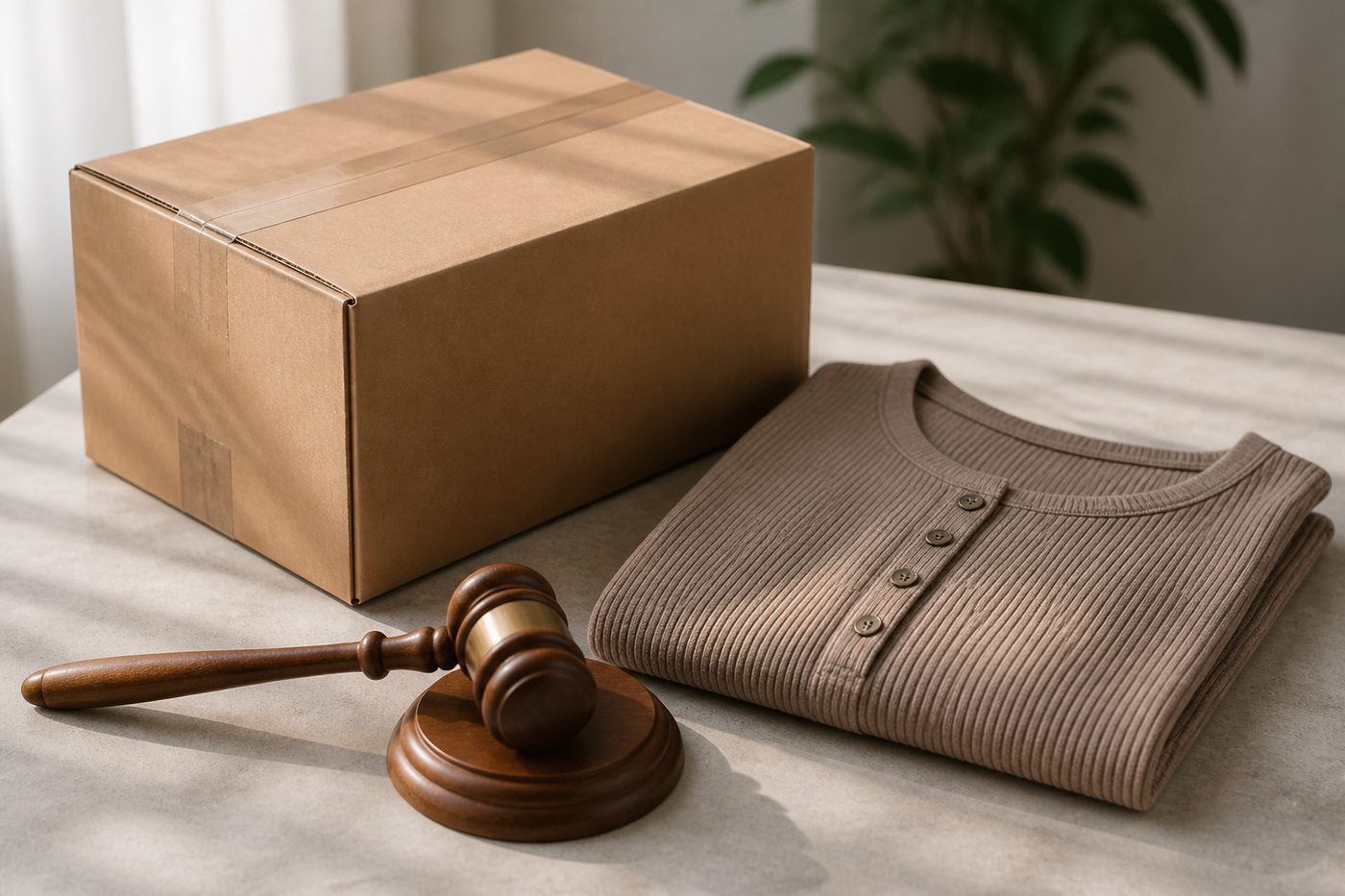
I still have a Shein bag folded under my bed from last year. The top inside cost less than my bus fare and a drink. I wore it twice, then I see the same neckline on three other people in my year, which should not have surprised me and somehow did.
This week a headline say a court in America had decided that a huge set of US tariffs was illegal. On 20 February the Supreme Court ruled that the ones brought in under an emergency law — IEEPA — were not authorised. I have to look at the letters twice. Economists say more than $175 billion had already been collected, and that, in theory, it could be refunded.
The refund, if it happen, go to importers. Not to the person who tapped pay at midnight because the checkout timer was running.
In Business, a tariff is a tax on goods coming into a country. The government put it on the company that bring the stuff in. That sound clean. It is not clean. The company can swallow the tax and keep the shelf price where it is. Or they can raise the price and let you pay it without ever seeing the word “tariff” on the tag. Or they split it, which is the version nobody put in a slogan. The point is that “who is charged” and “who actually pay” are not the same question, and I wish someone had said that before I started caring about a £4 top.
For about ten minutes I think a court win might send cheap cross-border fashion back to being stupidly cheap. Then I keep reading. The same weekend, Trump announce a replacement: a 10% tariff on goods from everywhere, this time under a 1974 trade law. Then he say he would lift it to 15%. Official documents later show it started at 10%. So one door close and another one open in the same news cycle. Nothing at the till move in my favour.
Shein’s planned Hong Kong IPO did not suddenly look easier either. The quieter problem was already sitting there: the end of de minimis, the rule that let parcels under $800 into the US without duty. That rule was the reason a top could cost less than lunch. When it ended, the model wobble, and a judge in Washington do not stitch that back together.
I keep thinking about the word “win.” Importers might get money back, slowly, if the forms behave. I will not get an email that my old order has been recalculated. Prices stick. Stock was bought at the old cost. Shops do not hold a sale because a court write a sentence.
If I want to study finance later, this is the unromantic version. A law can be thrown out and a price can stay. A refund can exist on paper and never reach the person who felt the increase. I used to think “illegal” mean “undone.” It doesn’t. It mean the argument change statute, and the jumper in my locker cost what it cost.
I keep thinking about the £4. That number was never only fabric. It was a rule about parcels, a tax with a long name, and a company betting I would not ask who paid. The court change the name. It did not put the four pounds back in anyone’s pocket at school.
I am not throwing the top away. I am just not waiting for the Supreme Court to buy me another one.