
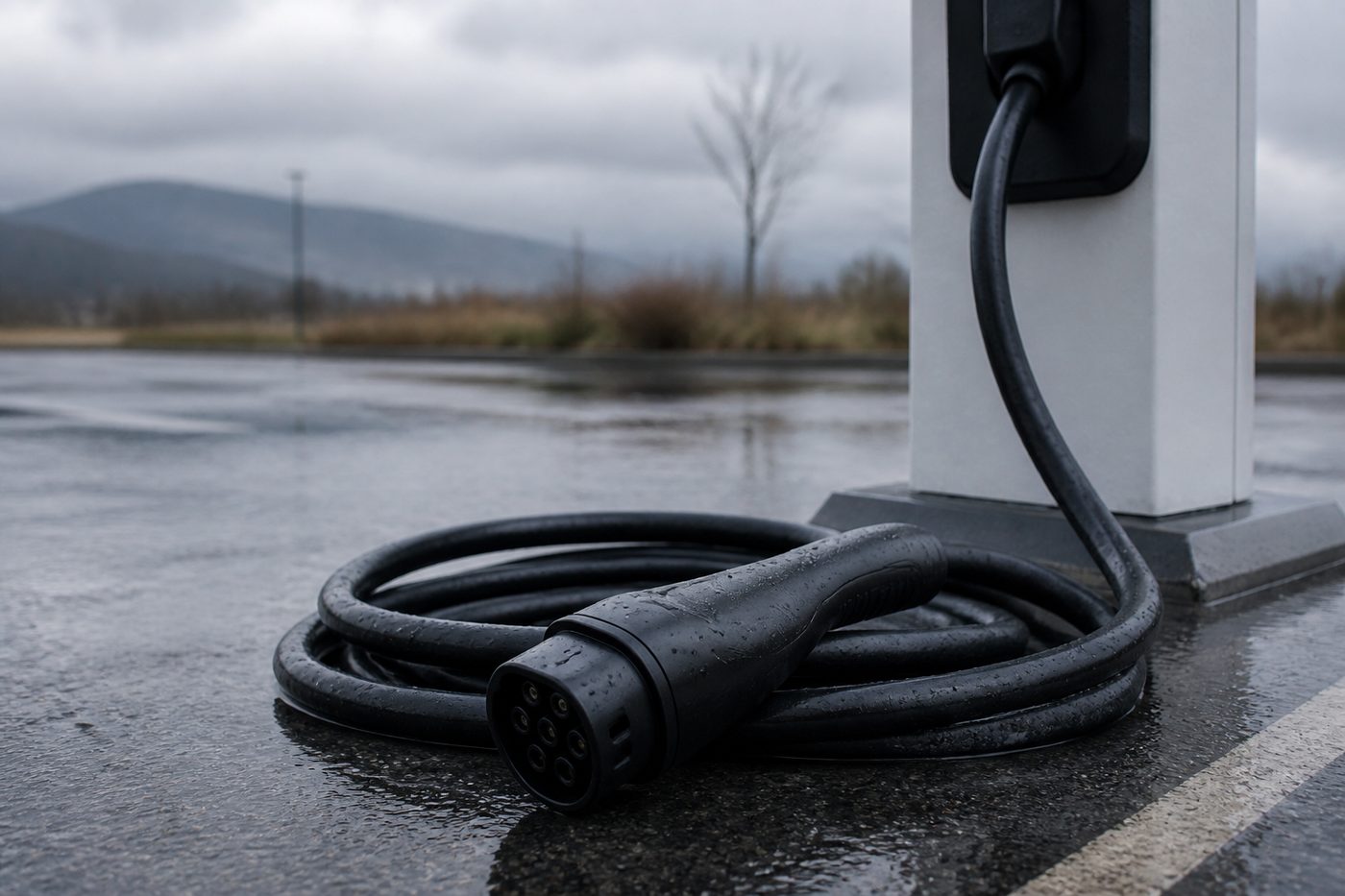
The BBC had a piece this week about people rushing to collect electric cars before the end of September, which sound dramatic until you see the number attached to it. In America, the government has been paying up to $7,500 toward an electric car. That help expire on 30 September. Tesla, the brand everyone at school can name even if they cannot name the model, had a queue of buyers trying to take delivery before the deadline.
I had to sit with that for a minute, because $7,500 is not a small ribbon on the key. It is a chunk of a car. If a government hand you that much money for choosing one kind of vehicle over another, you are not only buying a quieter engine. You are buying a discount with a moral story attached to it. People like the story. They also like $7,500.
In Business the word is incentive. An incentive is anything that push you toward a choice you might not have made at the full price. A subsidy is a particular kind: the government pay part of the cost so more people say yes. While it is there, demand look strong, and the company can tell itself that customers love the product. Some of them do. Some of them love the product minus $7,500, which is a different feeling wearing the same smile.
I keep imagining the last week of September in a Tesla showroom I have never entered: people checking calendars, asking whether the car will arrive in time. The brand is still the brand — clean, famous, a little proud of itself — but the clock is doing as much work as the logo. That is what a deadline do to an incentive. It turn a quiet discount into a scramble.
The question I cannot leave alone is what happen the morning after. If a lot of those buyers were really waiting for the $7,500, then the true price was always higher than the one they paid, and they knew it. When the government step away, the car do not change. The battery is the same. The badge is the same. Only the maths change, and maths is rude that way. A family that could stretch for the discounted version may look at the full number and decide the old car can last another year.
I am not in America, and nobody in my house is buying a Tesla this term. We still talk about cars the way people talk about phones: too expensive, always about to be replaced, somehow still running. What I notice is how quickly a “green” choice become a money choice once you remove the gift. I used to think people bought electric cars because they cared. Some do. Some cared and also did the arithmetic. Those are not enemies. They are the same person holding two thoughts.
If I want to study finance later, this is the sort of thing I need to get better at seeing. A subsidy can make a market look healthier than it is. It can also do a useful job, if the point was to get more electric cars onto the road while factories learn to make them cheaper. I don’t know yet which story is truer. I only know that when the incentive end, you find out how many people wanted the car, and how many people wanted the deal.
There will be numbers later, when Tesla has to say how many cars actually left. If you pay people to choose something, and then you stop paying, fewer people will choose it. That is not cynicism. That is an incentive doing what the textbook said it would do, except this time it has a famous badge on the bonnet.